How to Look After a Dental Implant Following Surgery in India
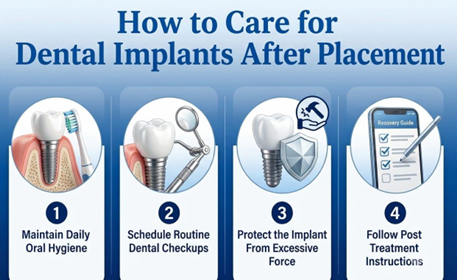
A dental implant can deliver a secure, natural-looking and durable replacement for a missing tooth, but successful treatment does not end when the surgery is completed. The recovery stage and everyday care routine play an just as significant role in safeguarding the gums, preserving the surrounding bone and maintaining a comfortable implant restoration. Patients receiving dental implants Wakad, Pimpri Chinchwad or other parts of Pune should carefully follow their dentist’s guidance, practise excellent oral hygiene and attend planned check-ups. Regular aftercare lowers the risk of infection, gum inflammation, damage to the crown and loss of bone while supporting the implant’s stability for many years.
Why Aftercare for Dental Implants Matters
An implant is usually created from biocompatible titanium and positioned inside the jawbone to act in a similar way to a natural tooth root. During healing, the surrounding bone progressively joins with the implant through the process of osseointegration. Although an implant does not suffer from tooth decay, plaque and bacteria can still build up near the gum line. Poor cleaning may cause redness, bleeding, swelling and inflammation around the implant. If the problem progresses, it may affect the supporting bone and compromise implant stability. This is why patients receiving a tooth implant PCMC treatment must maintain both the exposed crown and the supporting tissues below.
Looking After the Implant During the First Twenty-Four Hours
The first day after surgery should focus on controlling bleeding, protecting the treatment area and allowing a stable blood clot to form. Mild swelling, tenderness and slight bleeding may normally occur. Patients should avoid repeatedly touching the surgical area with their tongue or fingers. Vigorous rinsing, forceful spitting and drinking through a straw should also be avoided since they may interfere with the recovering tissues. Any prescribed medicines should be taken exactly as instructed. A cold pack placed against the outside of the face for short intervals may assist in controlling swelling. Rest is important, and strenuous exercise should usually be postponed until the dentist confirms that normal activity can resume.
How to Clean the Implant Area Safely
Gentle cleaning is important after the implant procedure. A soft-bristled toothbrush can be used around the remaining teeth, while the surgical area should be cleaned according to professional advice. Once initial tenderness has subsided, twice-daily brushing helps manage plaque around the implant crown and surrounding gums. Interdental brushes may be advised for areas that a normal toothbrush is unable to access. A water flosser can also be beneficial for individuals with reduced dexterity or several linked implant restorations. However, the pressure setting should stay at a gentle level during early recovery. Patients undergoing full mouth dental implants Pune treatment often require personalised demonstrations because each restoration may need a slightly different cleaning technique.
Suitable Foods for Comfortable Healing
Soft and nutritious foods reduce pressure on the surgical site while providing the energy needed for tissue repair. Suitable choices may consist of khichdi, dal, yoghurt, paneer, scrambled eggs, oatmeal, mashed vegetables, tender fruits and warm soup. Food should not be extremely hot during the early healing period. Plenty of water can promote good hydration and overall healing. Chewing should occur away from the treated area whenever practical, especially at the beginning of recovery. As healing progresses, firmer foods can be added slowly, although the decision should depend on the dentist’s evaluation instead of comfort alone.
Foods and Habits to Avoid
Hard nuts, ice, popcorn, hard biscuits, sticky sweets and chewing gum may create unwanted stress on the healing implant or temporary restoration. Smoking and tobacco use can interfere with blood circulation, delay healing and increase the risk of complications around the implant. Excess alcohol may also delay recovery or cause interactions with prescribed medicines. Patients should not test the implant by biting hard objects simply because the area feels comfortable. Internal healing carries on after visible tenderness has eased. Anyone receiving Top Dental implant treatment in Pimpri Chinchwad should follow the complete dietary schedule provided by the treating clinician.
Long-Term Cleaning and Maintenance
After healing, implant care forms part of the regular oral care routine. Brushing morning and night, cleaning between the teeth and rinsing after meals can stop plaque from accumulating around the restoration. The brush should access the gum margin without excessive pressure. Implant-safe interdental brushes or flossing aids may be suggested based on the form of the restoration and the accessible spaces. Professional cleaning is also important because hardened deposits cannot always be removed at home. A skilled hygienist can clean the area using suitable instruments that protect the implant surface.
Regular Implant Reviews and Bite Checks
Routine appointments allow the dentist to examine the gums, assess implant stability, inspect the crown and check the way the upper and lower teeth meet. Uneven bite pressure may loosen screws, chip the crown or place excessive stress on the surrounding bone. Patients who grind or clench their teeth may benefit from a specially designed protective guard. Review visits are particularly necessary for individuals affected by diabetes, weakened bone, earlier gum problems or extensive restorations. A patient searching for the best dental implant specialist PCMC should evaluate post-treatment support in addition to the surgical treatment.
Comparing Dental Bridge and Implant Care
The dental bridge vs implant decision often depends on oral health, bone availability, treatment goals and the condition of neighbouring teeth. A bridge usually uses nearby teeth as support, while an implant is separately anchored inside the jawbone. Both options require consistent brushing and dental check-ups, even though their cleaning techniques vary. Floss threaders may be required beneath a bridge, whereas an implant crown needs careful cleaning around its gum line. Patients should not select a treatment option solely because it seems convenient at first. Long-term maintenance, expected durability and the health of supporting tissues should also be reviewed with the dentist.
Caring for All-on-4 and Full-Mouth Restorations
Patients asking what are all-on-4 dental implants and are they right for me are usually exploring a fixed full-arch replacement held by a small number of carefully placed implants. These restorations can restore chewing comfort and aesthetics, but dental bridge vs implant careful cleaning underneath the replacement teeth is essential. Special brushes, water flossers and professional maintenance may be suggested by the dental team. People researching all on 4 cost india should also account for ongoing care, replacement parts and follow-up visits instead of considering only the starting cost. Long-term value relies on precise planning, appropriate materials and dependable maintenance.
Warning Signs Requiring Prompt Dental Care
Persistent pain, increasing swelling, pus, unusual bleeding, a bad taste, gum recession or movement of the implant crown should receive prompt attention. A clicking sensation or change in the bite may indicate a loose component even when there is no pain. Early assessment can often resolve a minor problem before it affects the supporting tissues. Patients should also arrange a review if food repeatedly becomes trapped around the restoration or cleaning becomes difficult. A qualified professional providing dental implant care can identify whether the concern involves the gums, crown, screw or implant itself.
Finding Suitable Implant Care in Pimpri Chinchwad
Patients seeking the Best dentist in Pimpri or implant care in nearby areas should consider accurate assessment, appropriate imaging, honest planning and dependable follow-up care. Experience with single implants, immediate replacement, bone management, full-arch rehabilitation and complex cases can be valuable. The quality of patient education is equally important because people need clear instructions for cleaning, diet and review appointments. Reliable dental implants Wakad and Pimpri Chinchwad treatment should combine precise surgical planning with long-term monitoring rather than treating implant placement as a one-time procedure.
Final Thoughts
Protecting a dental implant after surgery requires patience, gentle cleaning, suitable food choices and regular professional supervision. The implant should be protected from heavy forces during recovery, and plaque must be prevented from building up around nearby tissues over the long term. Whether a patient receives a single tooth implant PCMC, several implants or a full-mouth restoration, long-term success depends on cooperation between the patient and dental team. Consistent home care, healthy lifestyle habits and timely maintenance visits can support lasting comfort, natural appearance and implant stability.